University backs ‘Proud to call home’ report on housing quality concerns
Posted on: 19 March, 2026
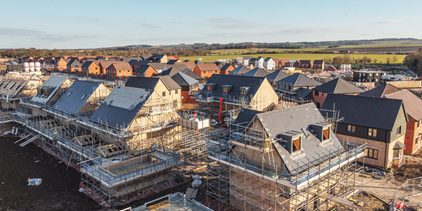
The UK’s drive to deliver 1.5 million homes risks undermining housing quality unless standards are strengthened, according to a new parliamentary group report.
 The University of the Built Environment has backed the findings of the cross-party ‘Proud to call home’ inquiry, which calls for higher standards in design, construction and placemaking.
Pro Vice-Chancellor Aled Williams said: “If we are serious about solving the housing challenge, we need to avoid soulless estates or homes with defects.”
He added: “The ambition on housing numbers must never come at the expense of quality. We should build well-designed, durable, energy-efficient homes in neighbourhoods that are healthy and connected.”
Explore: University of the Built Environment courses
Pressure to build houses faster
The Government has pledged to deliver 1.5 million homes this Parliament as part of sweeping planning reforms aimed at boosting supply and helping more families onto the housing ladder.
But the All-Party Parliamentary Group for Excellence in the Built Environment (APPGEBE) warns speed alone will not solve the housing crisis.
Mike Reader MP, who chaired the inquiry, said: “The 1.5 million homes this Government has pledged can be a legacy of which future generations are proud. That will only happen if quality is woven through every decision, in policy, planning, design, and delivery.”
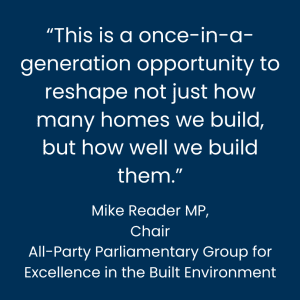
He added: “This is a once-in-a-generation opportunity to reshape not just how many homes we build, but how well we build them. We must seize this opportunity and build homes and places people will want to live.”
Listen: Podcast episode: Are Britain’s new builds really fit for purpose? with top snagging inspector John Cooper
Industry leaders have also backed the call for higher standards. Graham Watts OBE, Chief Executive of the Construction Industry Council (CIC), said: “This report aims to advance all aspects of housebuilding quality – and to set out practical solutions that will help deliver the homes we need, at the standard the public deserves.”
How to improve housing quality
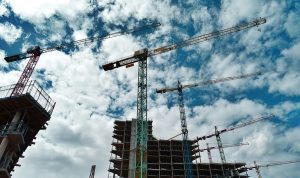
The parliamentary inquiry calls for tougher design oversight and stronger accountability across the development process.
Key recommendations include mandatory design reviews for major schemes, more inspections during construction, and a requirement for developers to assess how homes actually perform once residents move in.
The report also urges councils to strengthen planning leadership and ensure developer contributions such as Section 106 funding are spent on agreed priorities like green space and infrastructure.
Aled said the report’s emphasis on placemaking aligns closely with growing evidence that well-planned neighbourhoods support better health, education and economic outcomes.
“The report’s focus on quality of place, quality of product and quality of experience is exactly the right one,” he said.
“This moment should be used not simply to build more homes, but to raise the standard of what we build, how we build it and how those homes perform for residents long after handover.”
Role of universities in housing quality
The University of the Built Environment states higher education must play a central role in helping the sector deliver high-quality housing at scale.
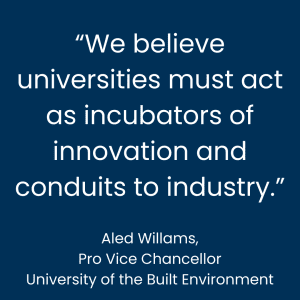
 Aled described universities as “incubators of innovation and conduits to industry”, preparing professionals who understand both placemaking principles and the commercial realities of development.
He added: “We must educate the built environment professionals of tomorrow in the principles of placemaking.”
He pointed to the University’s work on new delivery approaches such as its ‘Regional Building Hubs’ model, referenced in the report, which aims to improve coordination across supply chains and maintain standards while accelerating construction.
Built environment sector collaboration
The ‘Proud to call home’ report also highlights the importance of stronger collaboration between academia, developers, and policymakers.
Aled said the report presents an opportunity to deepen existing partnerships and build a stronger evidence base for place-led development.
He said: “By convening interested landowners, developers, government departments, real estate and finance experts, we can demonstrate the benefits of ‘place build’ communities.”
Delivering quality homes at scale
With housing affordability and quality both under increasing scrutiny, the debate now centres on how the UK can deliver homes at scale without compromising long-term value for residents or the wider market.
The report’s authors say the scale of planned investment makes the stakes particularly high. The conclusion states:
“Government itself will invest nearly £4 billion a year in new affordable housing, or £39 billion over the next 10 years. This is an unprecedented commitment, but the outcome must not be soulless estates or homes plagued by defects of the kind we have heard far too much about for so many years.
“This is a once-in-a-generation opportunity that cannot be squandered.”
Help to make a change – learn more about University of the Built Environment courses here