Built environment sector must confront fragmented workforce ‘permacrisis’
Posted on: 17 April, 2026

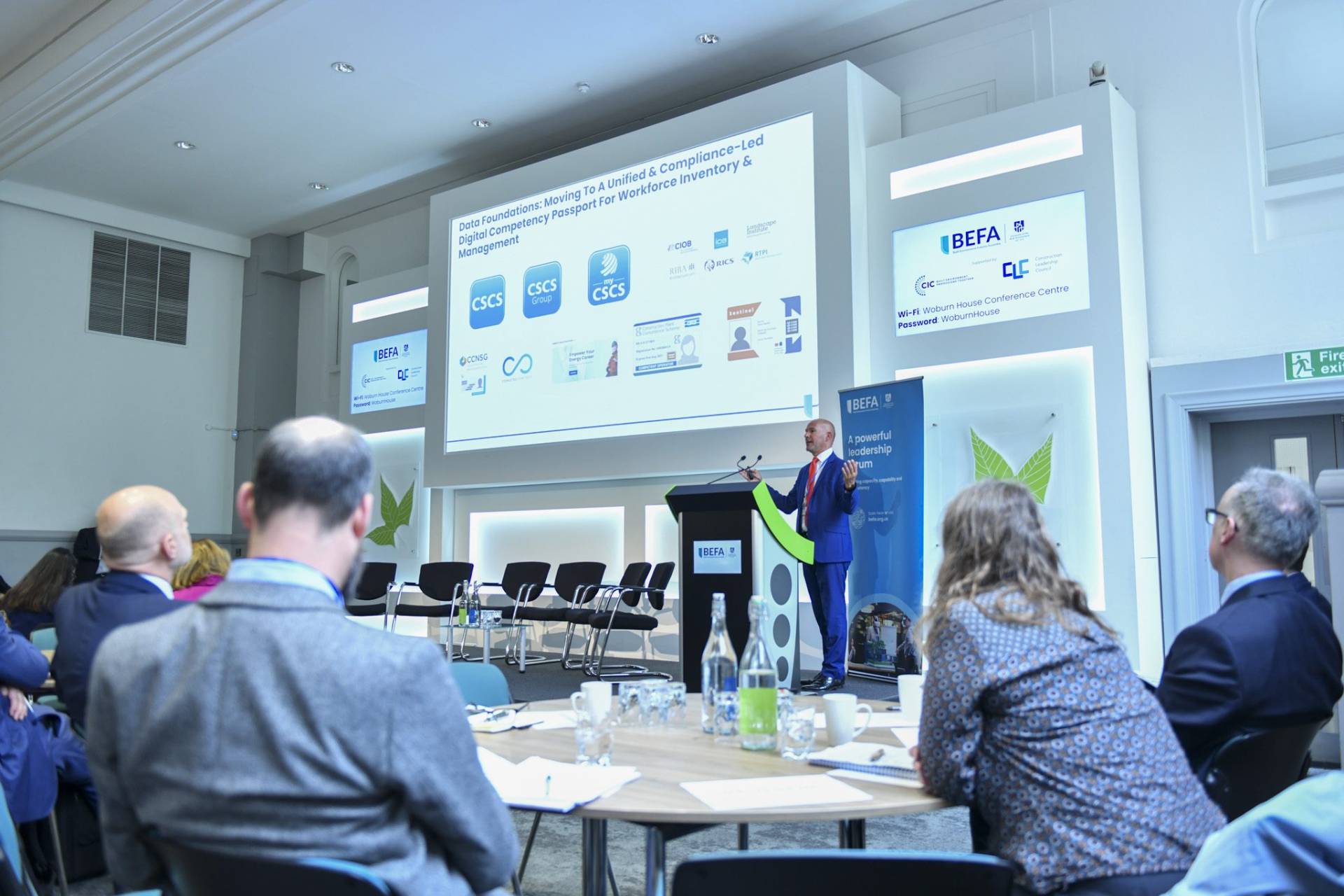
Mark Farmer speaking at the BEFA Inspire event at Woburn House, London
A more strategic, evidence-led and collaborative approach to workforce planning will be essential if the UK built environment sector is to move beyond its long-standing ‘permacrisis’ and meet the demands of the next decade.
That was a central message from ‘Built Environment Strategic Workforce Planning for 2030’, hosted by the Built Environment Futures Assembly (BEFA) and chaired by Mark Farmer, author of the influential ‘Modernise or Die’ government review into the UK’s construction labour model.
See photos of the event, on Wednesday 15 April 2026, here:




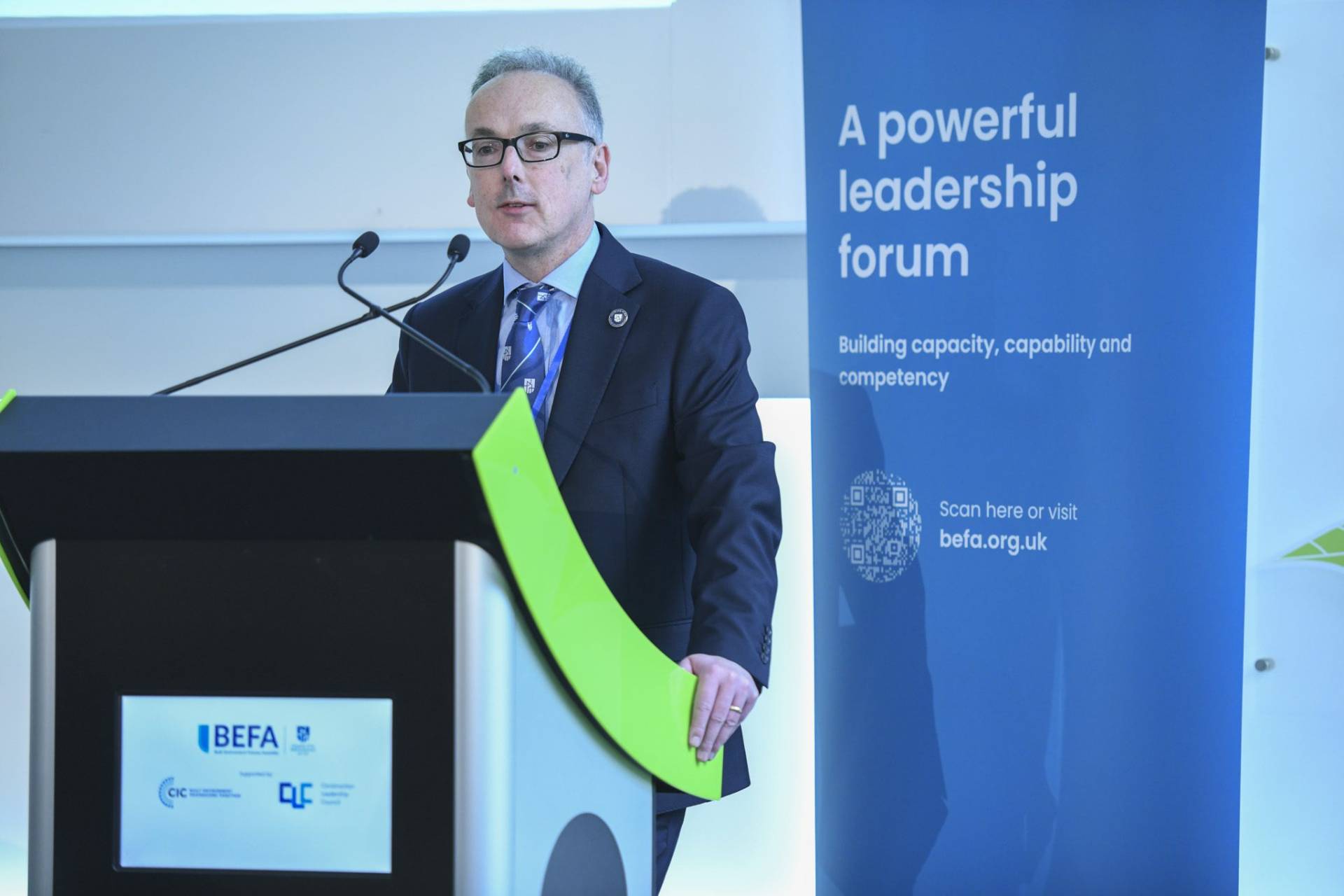


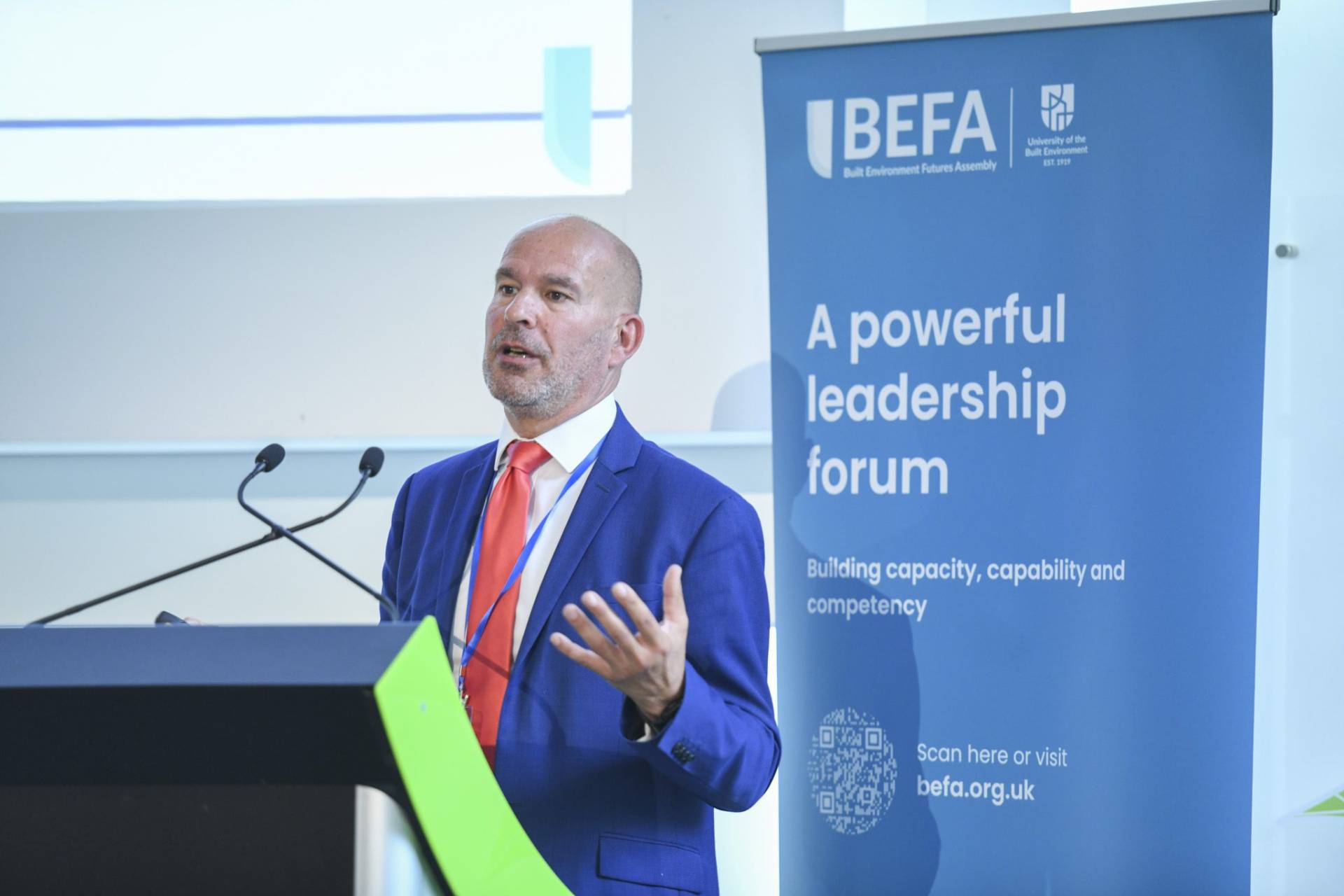


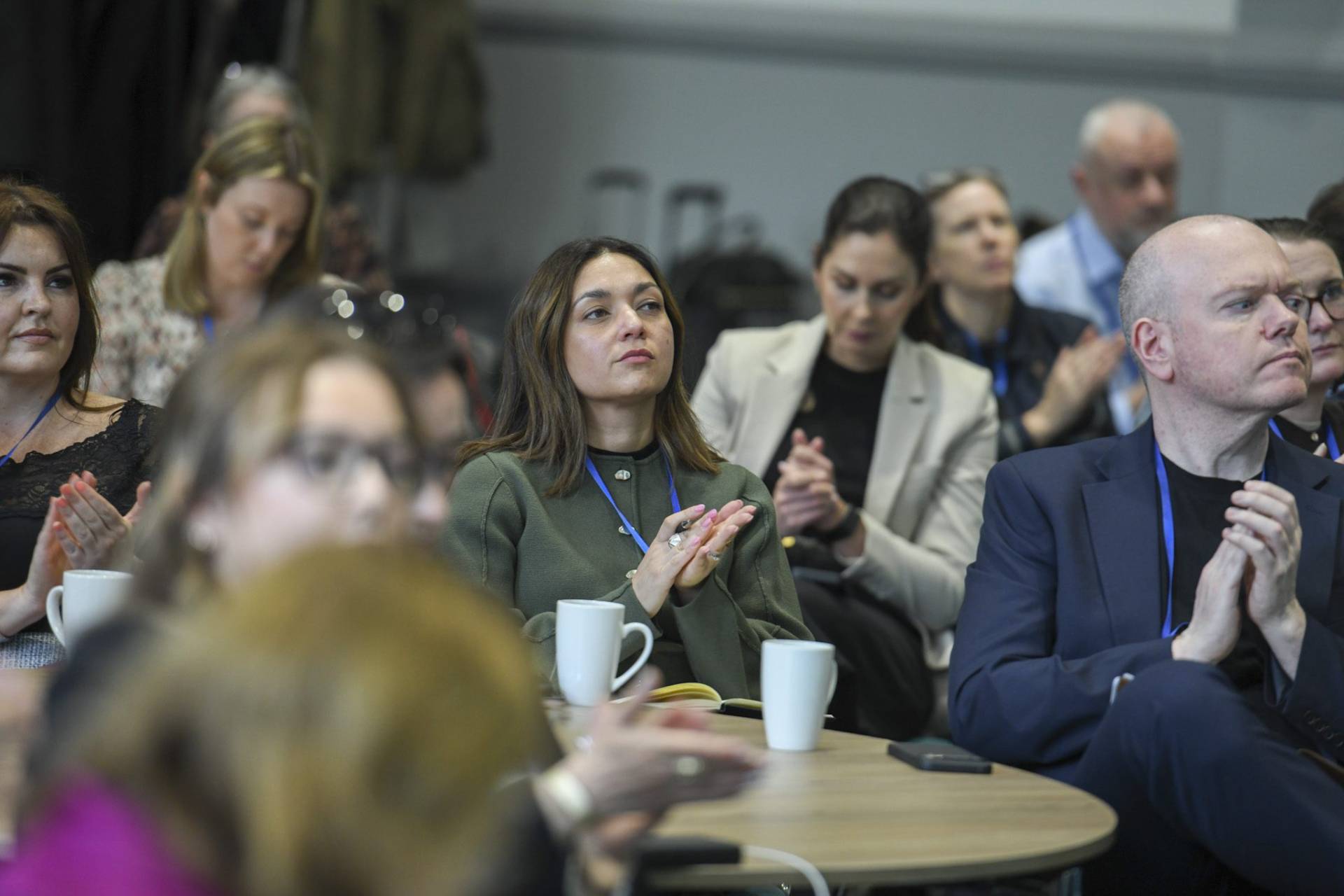


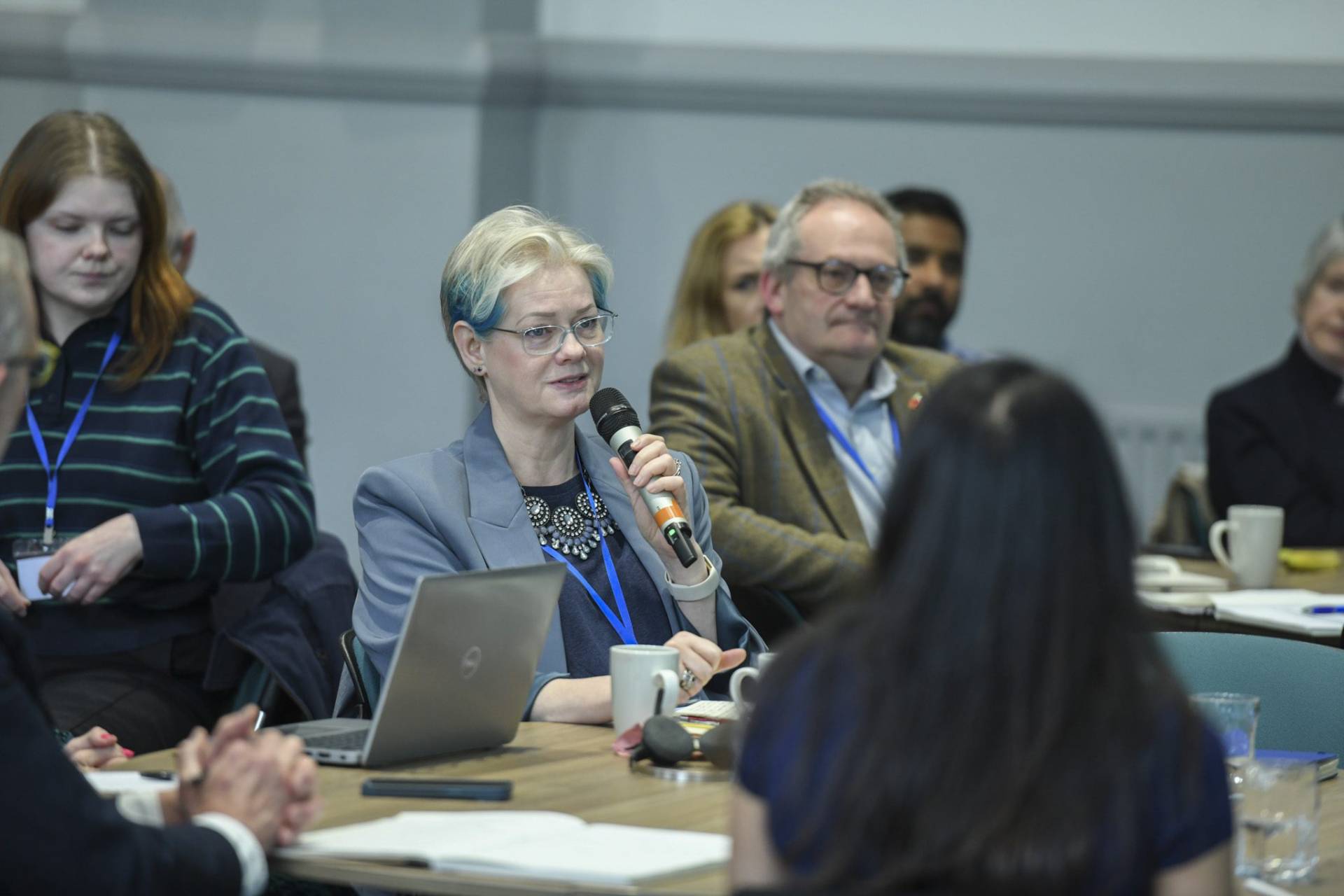

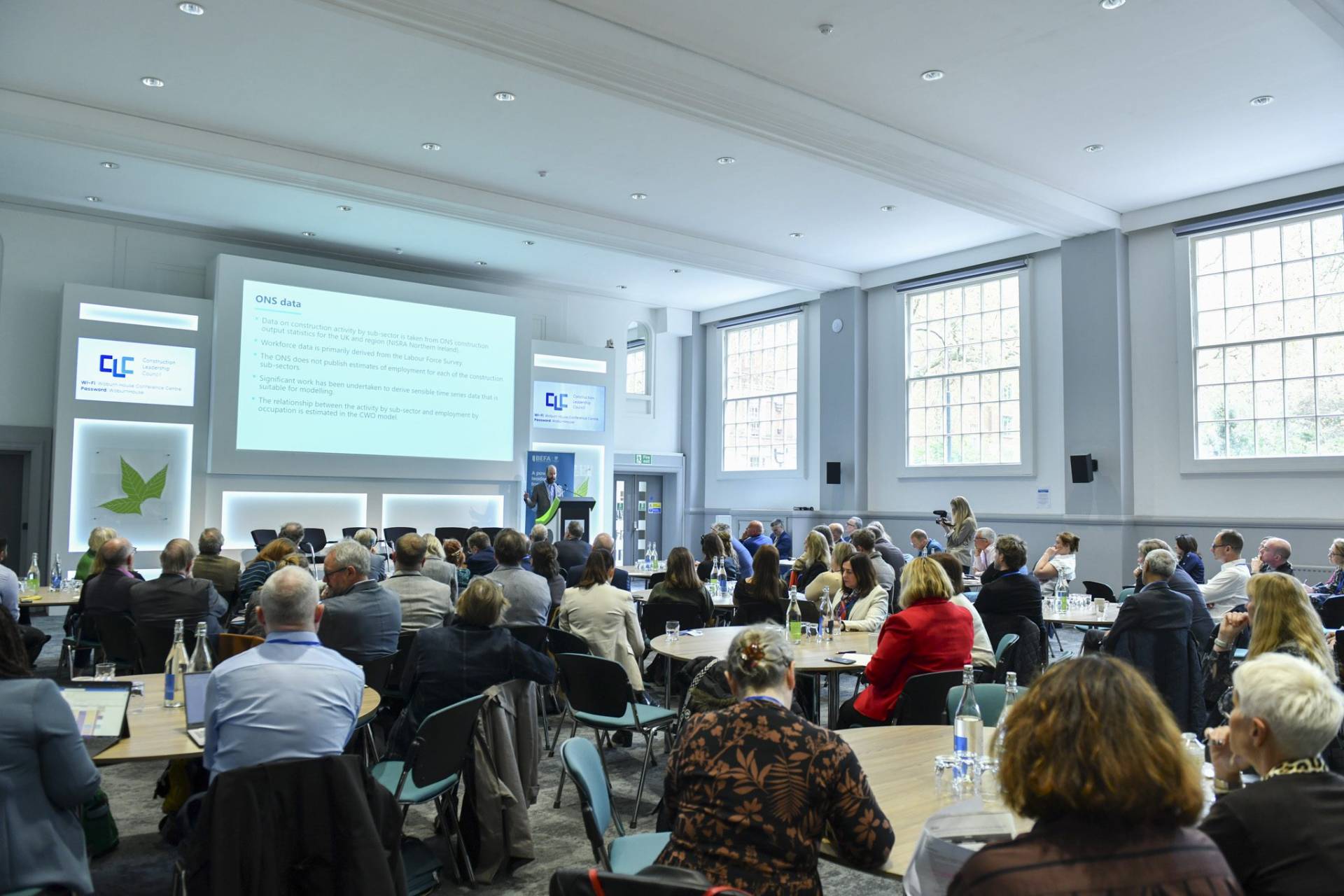
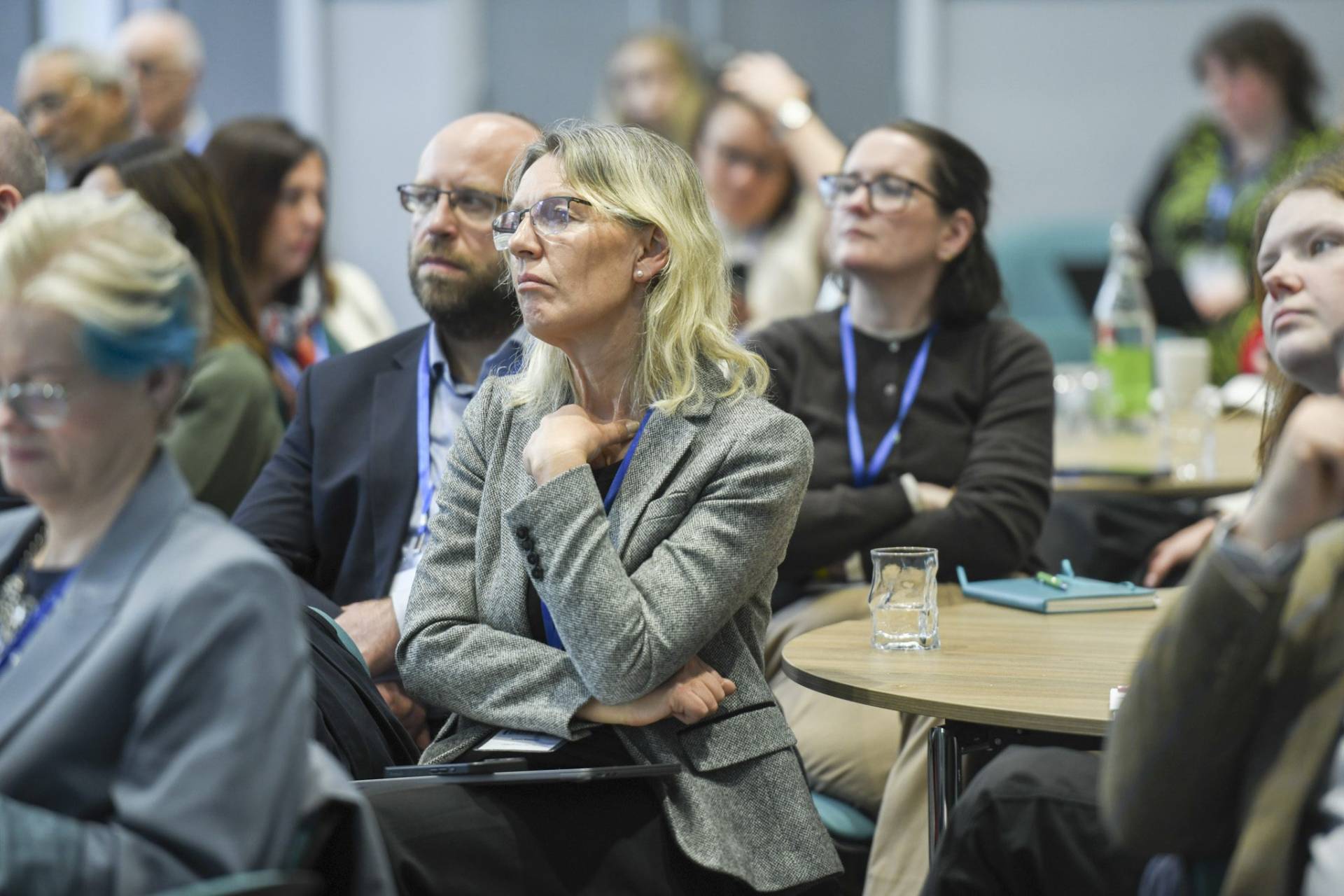











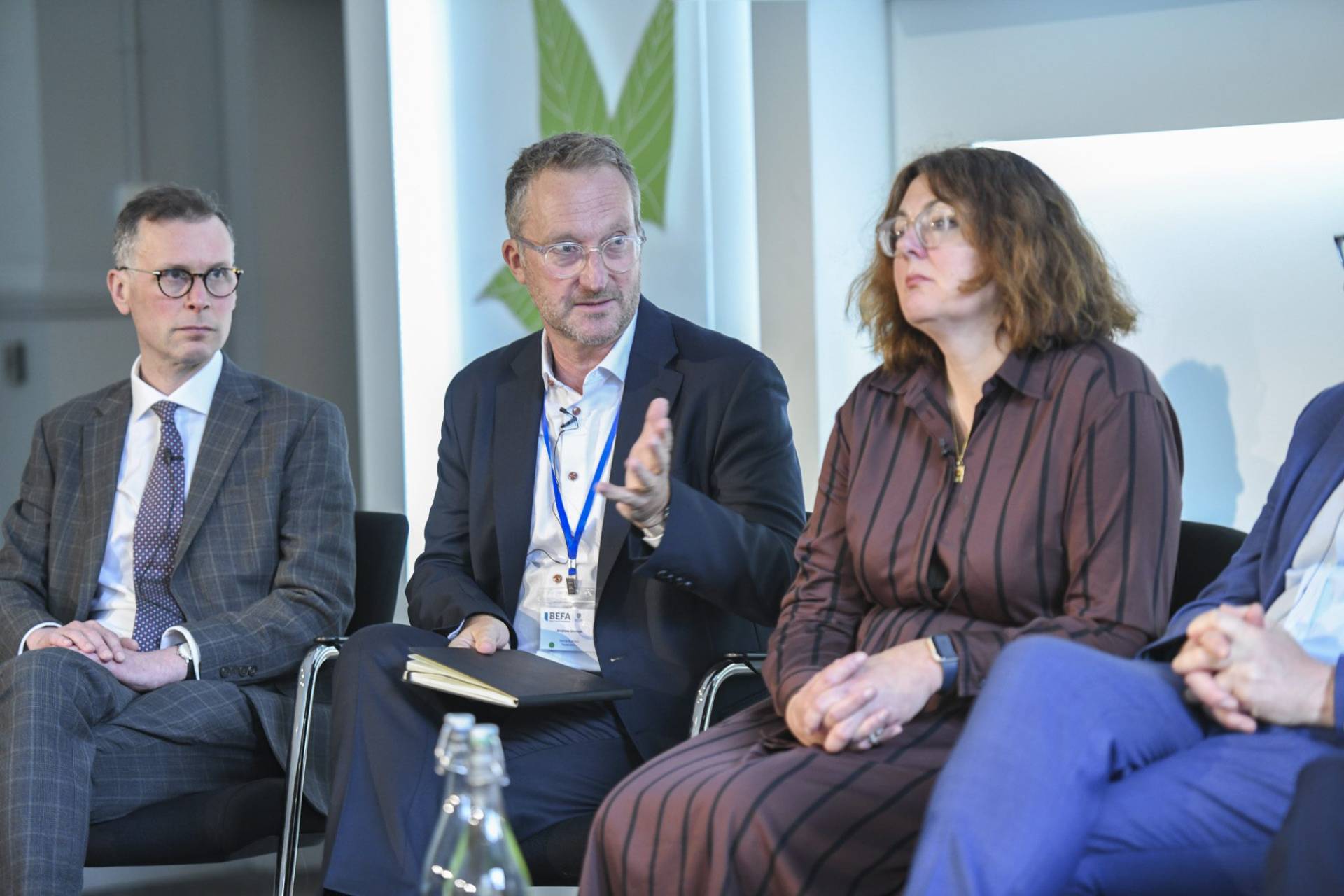


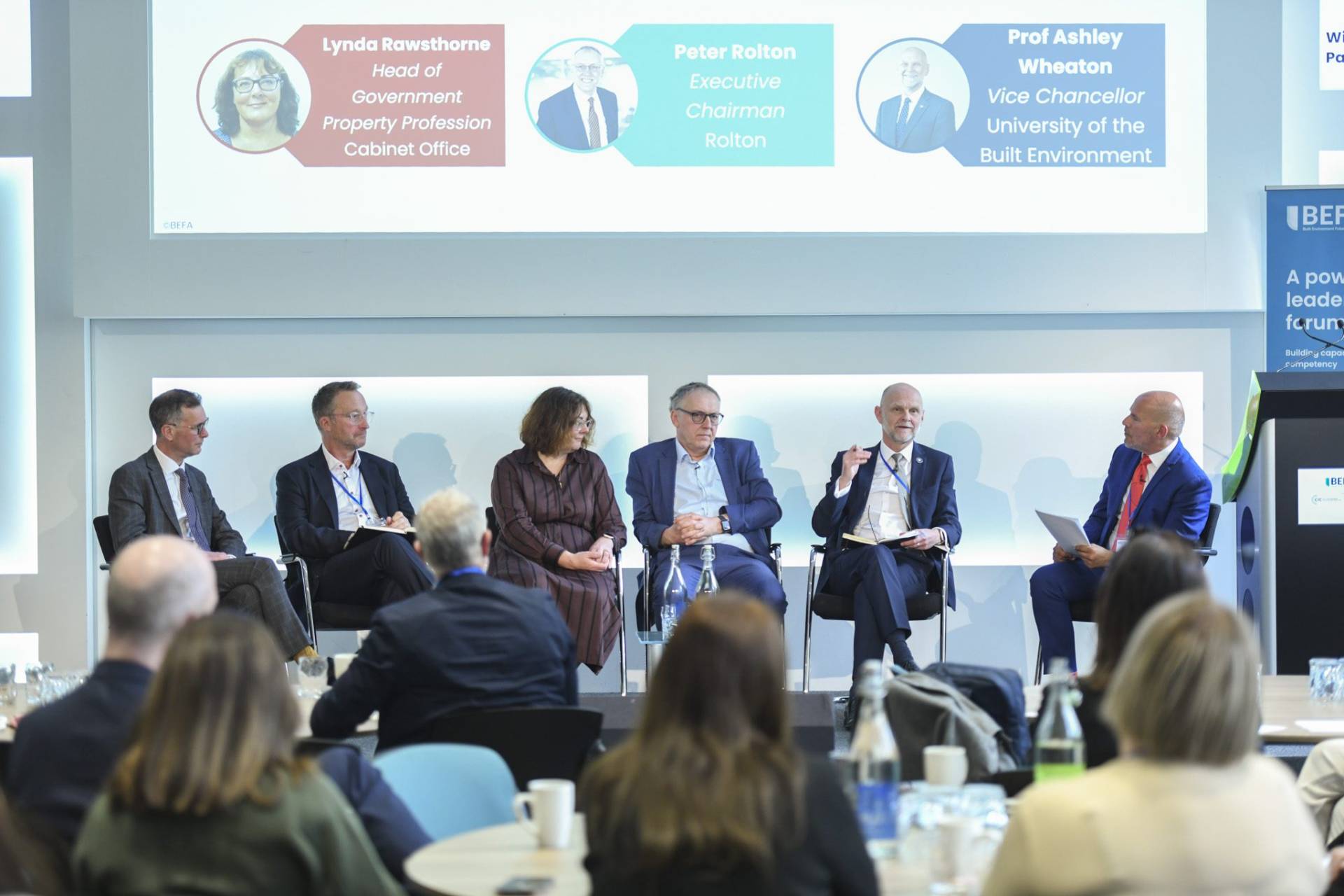

Mark told the packed hall at Woburn House, London that he saw the sector as currently “atomised, heavily dispersed and fragmented”, warning that without a clearer understanding of workforce composition, capability and future need, the cycle of skills shortages will continue.
Mark also challenged one of the industry’s most persistent assumptions:
“We constantly talk about a skills crisis. But what does that actually mean, and do we really understand what we’ve already got?”

Long-term workforce planning
Supported by the Construction Industry Council (CIC) and the Construction Leadership Council, the event brought together senior voices from industry, government, professional bodies and education to examine how the sector can move beyond short-term responses to longer-term workforce planning.
A keynote by Mark on the ‘Strategic Workforce Planning Conundrum’ highlighted the need for the sector to move beyond fragmented, short-term responses to labour and skills pressures and towards a more coordinated, system-wide approach.
The wider discussion returned repeatedly to the need for stronger workforce intelligence, including more reliable forecasting of labour demand, clearer visibility of the current and future skills base and a better understanding of how technology, regulation and changing delivery models are reshaping the competencies the sector will require.
He said: “We tend to jump straight to ‘we need more people’, but we’re not being precise enough about how many we need, or what competencies we actually require.”
“My vision for the future is competency passporting,” he said, adding that a dynamic, policed and digital wallet would cover “compliancy aspects” and “drive upskilling requirements”, as well as allow the gaining of “public trust” about workers’ licences to trade.

Insights on demand, delivery and policy
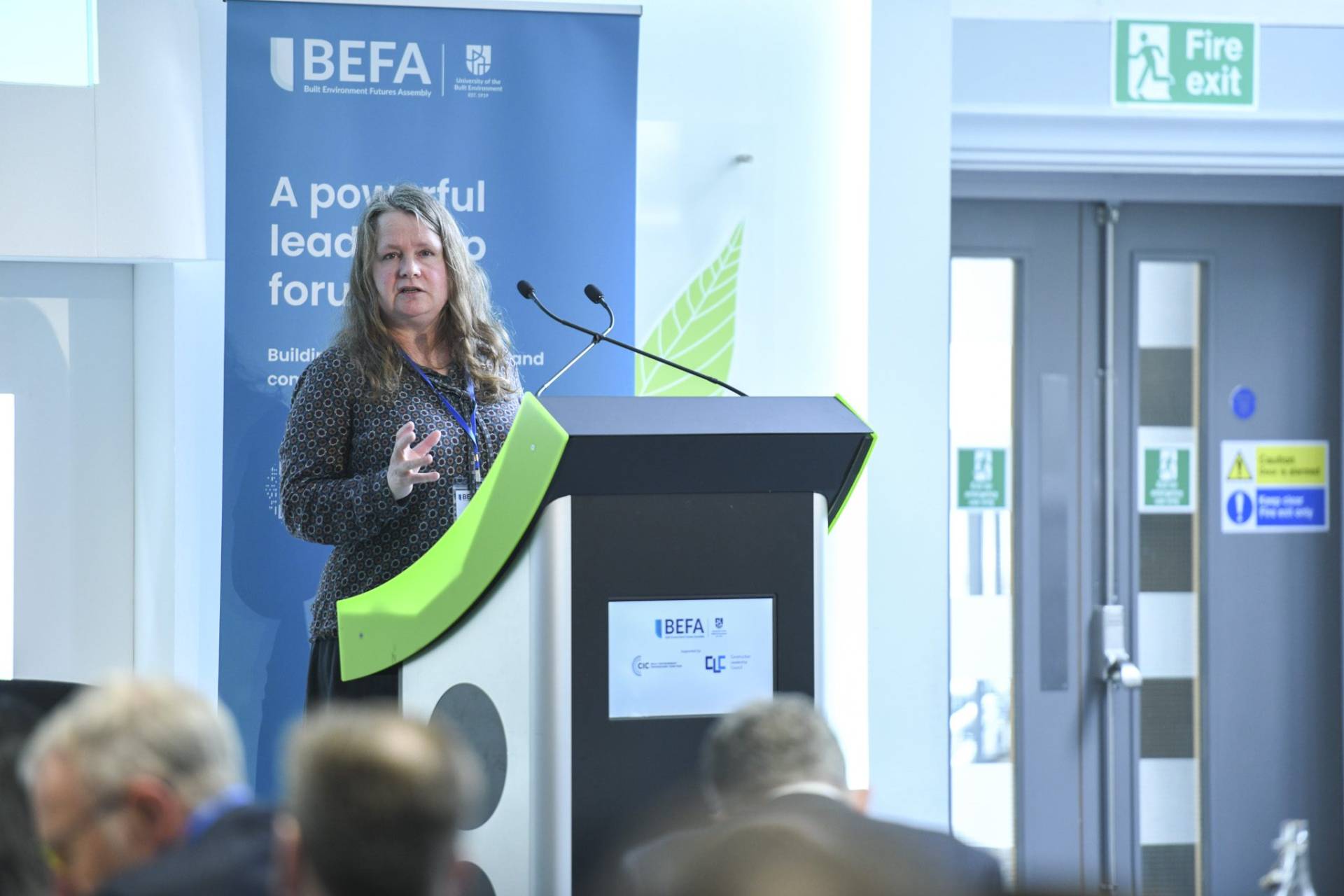
Speaker contributions from Tim Lyne of Oxford Economics, Simon Rawlinson of Arcadis UK and Karen Wood from the Department for Business and Trade added further perspective on economic trends, delivery pressures and the policy environment shaping future workforce requirements.
A panel discussion, ‘Building a Sustainable Workforce for 2030 and beyond’, brought together Mark Farmer, Andy George of the Home Builders Federation, Jonathan Mitchell of Skills England, Lynda Rawsthorne of the Cabinet Office, Peter Rolton of Rolton and Professor Ashley Wheaton, Vice Chancellor of the University of the Built Environment.
Discussion focused on several pressing questions for the sector, including attraction and retention, better identification of future skills needs, the role of public sector leadership and procurement, alongside the implications of AI and changing professional practice for learning pathways and future roles. Panellists also emphasised the importance of stronger workforce data and a shared commitment to maintaining competence over time, rather than being a one-off threshold.

Building a sustainable workforce for the built environment
Commenting on the event, Mark said:
“What came through clearly from this event was that the built environment sector can no longer afford to rely on fragmented, short-term responses to workforce pressures. If we are serious about delivering the homes, infrastructure and low-carbon transition the UK needs, we must improve the quality of workforce intelligence and strengthen collaboration between employers, educators, professional bodies and government.”
Aled Williams, Chair of the Education & Future Skills Committee at CIC and Pro Vice Chancellor of the University, added:
“Strategic workforce planning is fundamental to the future capacity, capability and confidence in our sector. It is not simply about headcount, but about the nature of work, the changing composition of roles and ensuring competence remains current in a rapidly evolving environment to improve delivery.”
Find out more about BEFA here.