Insulation and ventilation: your top ‘healthy home’ questions answered
Posted on: 23 January, 2026
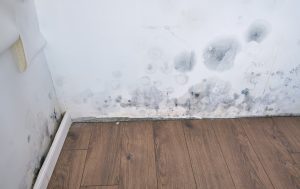
The UK Government’s flagship home insulation scheme was meant to deliver warmer, cheaper-to-heat homes. Instead, as reported by the BBC, thousands of households were left dealing with poor workmanship, unresolved defects and, in some cases, serious damp and mould issues.
 That failure highlights a crucial point that is often missed in retrofit policy: insulation alone does not make a healthy home. How a property is heated, ventilated and allowed to manage moisture matters just as much.
In the Q&A below, healthy homes specialist Jason Ratcliffe answers the most common questions people ask about insulation, ventilation and indoor air quality.
Can poor housing conditions worsen asthma symptoms?
It can. Unfortunately, I know a lot of people who have been hospitalised due to poor housing conditions. If you are living in poor conditions, you are much more susceptible to respiratory issues. Air quality, temperature, moisture in the air, black spot mould and even cleaning products can all play a role.
So yes, poor housing conditions can absolutely worsen asthma symptoms. People with asthma are often the first to feel the effects of poor housing. They may notice tightening in the throat, difficulty breathing, and an increased reliance on asthma inhalers in that type of environment.
Can children be more sensitive to mould exposure?
Yes, children are normally the most sensitive to mould exposure because they are not fully matured or fully developed yet. Their lungs are still growing.
Exposure can increase the risk of long-term issues such as respiratory problems, sinus issues and reduced immune systems. In children, these impacts can become permanent rather than temporary. Adults may recover if they move out of a poor environment, but children tend to absorb these effects over a much longer period and are often impacted more severely.
Awaab’s Law is a prime example of this.
Can indoor air quality affect children differently to adults?
Yes, it can. Children’s sleep rhythms can be affected significantly. They tend to wake up more frequently during the night, and disrupted sleep can affect their growth, development and brain development.
Children are also far more susceptible to picking up colds and infections. Poor air quality and ventilation can impact confidence, focus and productivity, even when working or learning at home. All of these factors make indoor air quality and ventilation extremely important.
Does cold housing affect physical health?
Absolutely. If a property is below 18 degrees, which is below the recommended comfort range of around 18 to 21 degrees, physical health can be negatively affected.
Colder housing increases the risk of respiratory issues, colds and infections. The immune system becomes weaker, and the body has to work much harder to stay warm. In most cases, physical health is negatively impacted by living in a cold home.
Is it better to heat a home consistently or in short bursts?
This is a really important question.
Heating a home consistently is far better than heating it in short bursts. Many people believe that turning the heating on and off saves money, but it usually does not. The heating system has to work much harder to raise the temperature again.
Buildings also have what is known as thermal mass. The materials within the building retain heat. If you heat in short bursts, that stored heat is lost, and the system must reheat both the materials and the air. Maintaining a constant temperature is more effective, both from a cost perspective and for health.
Does humidity affect how cold a home feels?
It does. Water has one of the highest thermal storage capacities of any liquid. When moisture is present in the air, that air can store more heat.
This means it takes longer and more energy to heat the air to a point where you feel comfortable. So yes, humidity definitely affects how cold a home feels.
Can over insulating a home cause problems?
Yes, massively. This links back to what is often referred to as the greenhouse effect.
If a home is over-insulated, particularly in areas with large amounts of glazing and solar gain, internal temperatures can exceed comfortable or safe levels. Overheating can occur, and this can also lead to extreme off-gassing.
Modern homes often use synthetic insulation materials. Over-insulating not only reduces the ability to control temperature effectively, but it can also increase the release of pollutants such as formaldehyde into the air.
Does sleeping in a cooler room improve well-being?
Yes, it does, but it is about balance. A cooler room is not the same as a cold room. Cold rooms encourage condensation and are not healthy.
A temperature of around 18 degrees is considered cooler compared to the 22 to 24 degrees some people prefer. At this temperature, the body can rest more easily through the night. However, the room must not be cold, as that can lead to condensation and unhealthy living conditions.
What are your top tips for saving energy in the home?
The most important factor is maintaining consistent heating rather than switching it on and off. This is particularly important in older properties with high thermal mass, such as stone or cob walls, which take a long time to heat.
Maintaining a temperature of around 18 to 20 degrees allows the home to stay warm for longer without excessive cost. This also helps prevent damp.
Good ventilation is equally important, as it allows moisture to escape, making heating more effective. Finally, ensure insulation is as effective as possible. Simple measures such as insulated curtains or blinds can make a significant difference in harder-to-heat areas.
How can new builds be designed to have better air quality for individuals?
New builds do touch on this, but often only very lightly. Cost is a major factor, so cheaper paints, materials and synthetic insulation are commonly used because they are easily available and familiar to contractors, assessors and regulators.
Unfortunately, many of these choices negatively impact air quality. To design homes with better air quality, we need to demonstrate that safer alternatives exist. This includes safer paints, insulation, adhesives, cleaning products and better ventilation strategies that properly account for air quality.
What considerations are given to access to natural light when designing new homes?
Under building regulations, particularly Approved Document O, the amount of glazing and natural light is addressed. However, it is not considered in any meaningful depth from a wellbeing perspective.
This needs significant improvement. Poor consideration can lead to overheating, underheating or difficulty maintaining comfort. For example, large north-facing windows can make homes harder to heat due to heat loss through glazing.
Can building materials influence how a home feels to live in?
Absolutely. Building materials have a huge influence on whether a home feels comfortable and relaxing.
Even paints labelled as low Volatile Organic Compounds (VOCs) often do not meet truly safe levels. The familiar ‘new build smell’ highlights how important material choices are. Colour, texture, furnishings and finishes all influence whether a home feels safe, comfortable and calming, which directly affects both physical and mental well-being.
Can carpets trap pollutants?
Yes, they can. Carpets trap dust, dirt, cleaning products and pollutants brought in by shoes and pets. These contaminants settle deep into carpet fibres.
Hard surfaces such as tiles or vinyl are easier to clean and better for reducing pollutants, although they can feel colder and less homely if not used thoughtfully.
Does furniture placement affect airflow?
Absolutely. Large furniture placed in hallways, landings or airflow paths can obstruct air movement through a home.
If moisture-laden air cannot move freely and escape, it may condense and cause hidden mould growth. This often explains mould appearing in unexpected areas.
What are the top things renters can do to improve their home environments?
The most important factor is lifestyle. Understanding how to use extractor fans, recognising when they need maintenance and reporting issues to landlords is crucial.
Being able to identify problems such as failed double glazing or condensation between panes allows renters to raise issues early. Opening windows regularly, using heating appropriately and maintaining airflow are also key.
Is it possible to reduce damp without major building work?
Absolutely. Damp does not always require chemical injections or major interventions.
Correct ventilation, avoiding drying clothes on radiators, managing moisture sources and maintaining consistent heating around 18 degrees can significantly reduce damp. In older properties, simple steps such as lowering external ground levels can also help.
Is it possible to improve well-being without spending money?
Yes. Organisation, decluttering and adjusting layouts can significantly improve wellbeing.
Identifying uncomfortable areas or recurring symptoms allows targeted improvements. Simple habits such as opening windows, short purge ventilation, wiping condensation and avoiding harsh chemicals all make a big difference.
Can small daily habits make a big difference to our home?
Yes, a massive difference. Issues like mould and condensation only become serious when ignored over time.
Daily habits such as wiping condensation, dusting, vacuuming and checking mould-prone areas help prevent larger problems.
Does lifestyle influence affect indoor air quality?
Yes, hugely. Even homes that perform well on paper can perform poorly if used incorrectly.
Opening windows while heating is on full blast, blocking ventilation or taping over extractor fans can drastically reduce indoor air quality.
Does indoor air quality matter more in winter?
In winter, homes are closed up, humidity is higher and ventilation is reduced. Wet clothes, lower sunlight and colder conditions increase the risk of poor air quality.
Managing air quality in winter is especially important.
What can people do to ensure consistent well-being levels all year round?
Small daily routines are key. Keeping temperatures consistent, opening windows, addressing issues early and noticing health patterns such as frequent colds or poor sleep all help.
Air quality sensors are also increasingly affordable and can help identify problem areas in the home.
Can housing design reduce seasonal illness?
Absolutely. Good housing design supports airflow, insulation and temperature balance.
When a home works with its occupants, air quality improves and seasonal illness is reduced because the immune system is not constantly under strain.
Can poor housing conditions affect relationships and family life?
Yes. Poor health, fatigue, stress and anxiety caused by housing conditions can strain relationships.
Clutter, disorder and feeling out of control in the home can also negatively affect mental health and family dynamics.
Can poor housing conditions affect children’s development?
Yes. Children are particularly vulnerable.
Damp, mould, poor lighting and disrupted sleep can affect mood, brain development, oxygen intake and mental health. These impacts are often more severe and long-lasting than in adults.
Can houseplants really improve the air quality in our homes?
Yes, they do improve air quality, but they do not replace ventilation.
Houseplants support wellbeing and bring nature indoors, but proper ventilation remains essential.
What are the most common mistakes people make that affect their well-being at home?
Over-cleaning is a major issue. Excessive use of harsh chemicals can damage respiratory health.
Another mistake is masking smells instead of addressing their source. Candles, incense and air fresheners can make underlying problems worse rather than better.
Jason is a University of the Built Environment alumnus and holds a world record for the most questions answered about home environment and wellbeing in one hour.