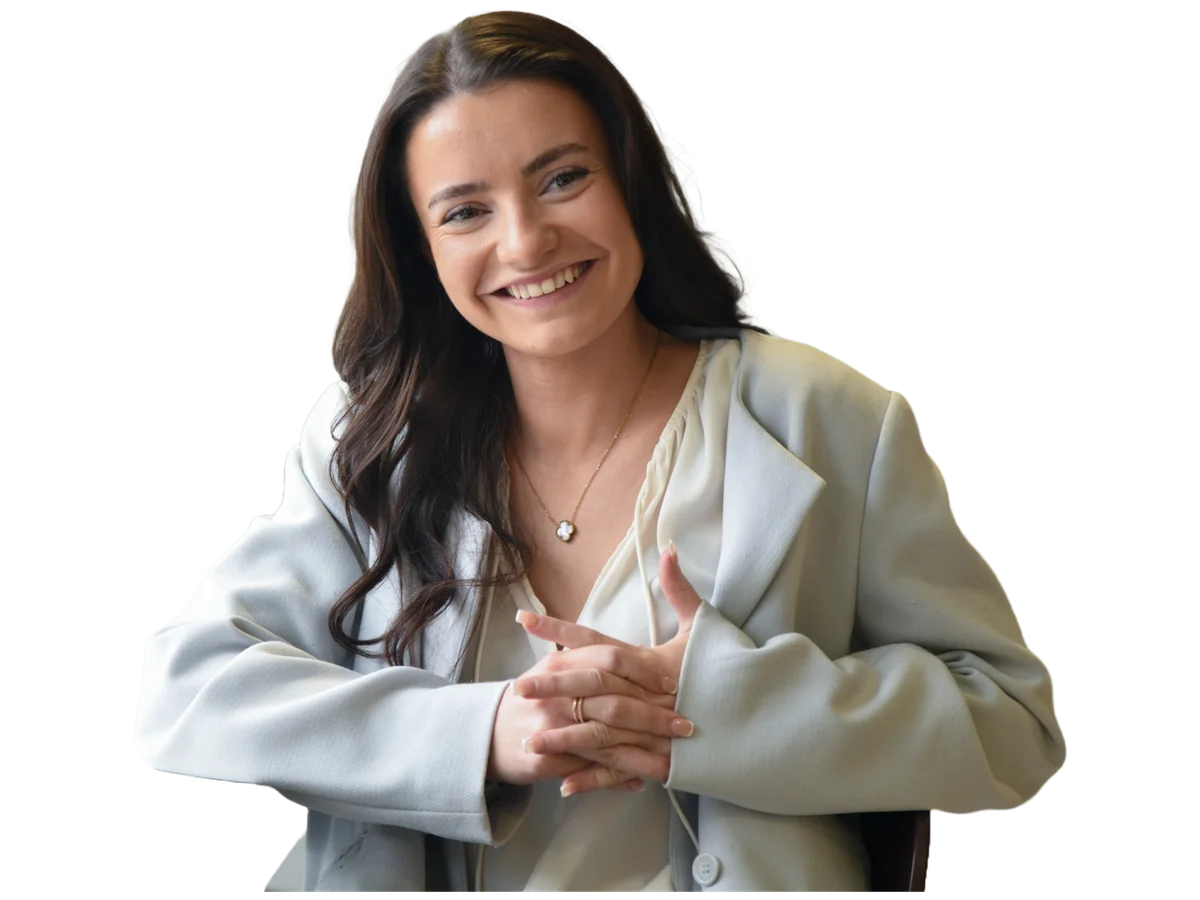
Episode 24
Overview
Women and girls experience towns and cities differently. Many change their routes, avoid particular places after dark or plan journeys around where they are most likely to feel safe. Yet planning responses often remain focused on familiar interventions such as brighter lighting, CCTV and clearer sightlines.
In this episode of BE Sustainable, host Mike Speight asks whether better placemaking can genuinely make women safer, or whether the built environment is being expected to solve a problem rooted in wider cultures, behaviours and institutions.
He is joined by Charlotte Morphet, the University of the Built Environment’s Urban Planning Programme Leader and a specialist in planning and placemaking that works for women and girls, and Holly Lewis, co-founder of architecture and urbanism practice We Made That and town architect for the London Borough of Hackney.
The discussion also considers why women’s safety has struggled to secure a central place within planning policy, including recent criticism of proposed changes to England’s National Planning Policy Framework.
The murder of Sarah Everard raises a further and deeply uncomfortable question. When violence can involve trusted individuals and the misuse of institutional authority, where do the responsibilities and limitations of planning lie?
Charlotte and Holly discuss what genuinely inclusive placemaking could look like and why women’s lived experience should carry greater weight in decision-making.
Resources
- Nationwide plans announced to design safer streets as nine in ten women report feeling unsafe walking at night – Active Travel England, March 2026. Includes findings from YouGov polling on women’s safety when walking after dark.
- Prevalence and reporting of sexual harassment in UK public spaces – UN Women UK and the All-Party Parliamentary Group for UN Women. This report contains the figures that 71% of women surveyed had experienced sexual harassment in a public space, rising to 86% among those aged 18 to 24.
- Angiolini Inquiry: Part 1 report – the independent inquiry into the abduction, rape and murder of Sarah Everard by an off-duty Metropolitan Police officer.
- England planning proposals fail to mention safety of women and girls, say critics – The Guardian, 28 January 2026.
- MPs raise lack of gendered safety in draft NPPF with planning minister – The Planner, January 2026.
- Gender-responsive urban planning and design – UN-Habitat guidance on creating inclusive public spaces and involving women and girls in urban decision-making.
- Girl, Woman, Othered? Why women’s safety must be a priority for placemaking – Meeting Place’s write-up of a panel discussion featuring Charlotte Morphet on women, planning policy and the NPPF.
- Where are women in planning policy? Safety, gender and the NPPF – details of the Meeting Place webinar featuring Charlotte Morphet, Anna Sabine MP, Susannah Walker and Nikki Davies.
- TfL and Metropolitan Police women’s safety audits – information on safety audits undertaken with women in five London boroughs, including work involving We Made That.
Listen on other platforms:


Guests
Holly Lewis
Co-founder of We Made That and town architect for the London Borough of Hackney
Charlotte Morphet
Urban Planning Programme Leader at University of the Built Environment