
Overview
What is a Renewable Energy Engineer?
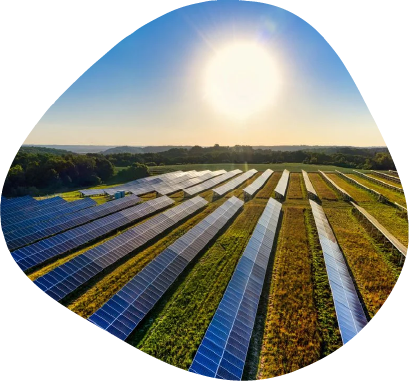
Renewable Energy Engineers research, design and develop innovative ways to generate power sustainably from natural resources such as wind, solar, hydrogen, biomass and water. They also maintain and improve existing energy systems, ensuring that renewable energy projects meet environmental regulations.
This is a green job with real impact. As a Renewable Energy Engineer, you’ll help the UK transition to clean energy sources and contribute to national climate change goals.
With the UK’s renewable energy sector contributing around £67.5 billion in 2023 (Office for National Statistics), and a growing demand for green skills to meet net zero targets by 2050, careers in renewable energy engineering are expected to grow significantly.
This role may also be referred to as:
- Sustainable Energy Engineer
- Green Energy Engineer
- Wind Turbine Engineer
- Solar Photovoltaic Engineer
- Hydropower Systems Engineer
How much does a Renewable Energy Engineer make?
The average salary of a Renewable Energy Engineer is between £31,000 – £61,000 per year (National Careers Service).

Skills
What’s required for the role?
- Knowledge of engineering science and technology
- Strong maths and numeracy skills
- Digital literacy
- Design skills
- Analytical thinking
- Problem-solving skills
- Attention to detail
- Project management skills
- Teamwork
- Verbal communication skills
- Negotiation skills
- Adaptability
- Creativity and innovation
- Interest in the environment
Details
What does a Renewable Energy Engineer do?


What is the work environment like?
Renewable Energy Engineers work across a range of settings, including offices, laboratories and operational sites such as power stations or rigs. Projects may involve time in remote locations, and travel within the UK or overseas is often required.
This is typically a full-time role, with occasional overtime depending on project demands. Engineers may work within multidisciplinary teams, though some tasks call for independent analysis and problem-solving.
Site visits are common and employers may offer travel support where frequent visits are needed. When on site, protective clothing such as hard hats, safety boots and overalls must be worn.
The sector is committed to improving diversity and actively supports initiatives that encourage more women to pursue careers in engineering.
Opportunities
Is Renewable Energy Engineering a good career?
Yes, careers in renewable energy engineering are a good choice because they offer strong demand for skilled professionals, the opportunity to contribute to environmental sustainability and potential for career progression. The UK alone needs approximately 200,000 trained for green jobs to support the transition to clean energy and meet climate targets. Careers in renewable energy are expected to grow as governments work toward Net Zero by 2050, providing long-term employment opportunities.
Renewable energy engineering jobs require work across a variety of technologies, including wind, solar, hydrogen, biomass and hydroelectric energy. They are involved in researching, designing, and implementing solutions to improve energy efficiency, develop new energy sources and reduce reliance on fossil fuels. Engineers can focus on developing new technologies or optimising existing systems, providing a combination of practical and innovative work.
The profession also allows engineers to make a direct contribution to reducing carbon emissions and promoting cleaner energy use. Even smaller projects, such as installing solar panels or improving energy systems, can have measurable benefits for the environment. Working in this sector offers the opportunity to apply technical skills while supporting the transition to a more sustainable energy system.
Career progression:
- Project or Site Manager
- Chartered Engineer (CEng)
- Senior Engineer
- Specialist in Corporate Social Responsibility (CSR)
- Specialist in Energy Policy
- Energy Planner
- Specialist in Research and Development
- Renewable Energy Engineer Consultant
Become a Renewable Energy Engineer
Who can become an Renewable Energy Engineer?
If you’re interested in renewable energy and engineering, and have the determination to succeed, you can build a career in this profession. At University of the Built Environment, thousands of students from around the world have studied with us and gone on to work in industries such as renewable energy.
Find out their experiences below:
How to become a Renewable Energy Engineer
To begin a career in renewable energy engineering, most professionals complete a degree in a relevant subject. Many also work towards professional recognition through organisations such as the Energy Institute (EI) or the Institution of Engineering and Technology (IET).
Practical experience gained through internships, placements or research projects during study can also give students an advantage when entering the workforce.
Some students choose to take a postgraduate conversion or specialist course after completing a degree in a related field. The University of the Built Environment’s new MSc Renewable Energy and AI programme, launching in September 2026, is designed to equip students with advanced skills for this sector.
Relevant postgraduate areas include:
- Renewable Energy and AI
- Energy Engineering
- Electrical, Mechanical or Chemical Engineering
- Environmental Engineering or Environmental Science and Management
- Earth Sciences or Geophysics
Related